Nothing ruins the serenity of a clean kitchen quite like the sudden appearance of tiny flies hovering around your fruit bowl or buzzing near your sink. Fruit flies seem to materialize out of nowhere, turning from a minor annoyance into a full-blown infestation within days. If you’ve ever wondered how these persistent pests appear so quickly and how to eliminate them effectively, you’re not alone. Understanding what fruit flies are, what draws them to your home, and which products work best to eliminate them is key to winning the battle against these unwelcome visitors.
What Are Fruit Flies?
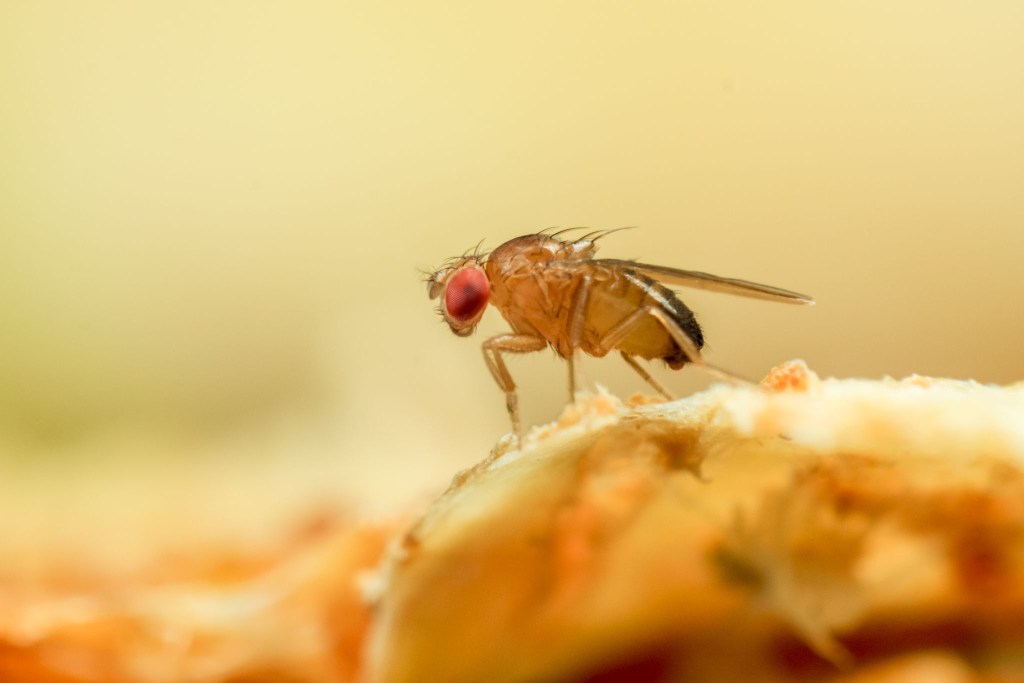
Fruit flies, scientifically known as Drosophila melanogaster, are tiny insects measuring roughly 1/8 inch in length. These diminutive pests are easily recognizable by their tan or brownish bodies and distinctive red eyes, though their small size often makes detailed observation challenging. Despite their name, fruit flies don’t exclusively target fruit – they’re attracted to any fermenting organic matter, making them a common household nuisance.
The life cycle of fruit flies is remarkably rapid, which explains how a few flies can quickly become a major problem. Under ideal conditions, fruit flies can complete their entire life cycle from egg to adult in just eight to ten days. A single female fruit fly can lay up to 500 eggs at once, typically depositing them near fermenting organic material where the larvae will have an immediate food source upon hatching.
These eggs are incredibly small – nearly microscopic – and are often laid in the thin film of organic matter that accumulates on surfaces like the inside of garbage disposals, recycling bins, or even the sticky residue around bottle tops. The eggs hatch into larvae within 24 to 48 hours, and the larvae feed on the fermenting matter for approximately four days before pupating. After another four to six days, adult flies emerge, ready to mate and continue the cycle.
Fruit flies are particularly problematic because they can survive in extremely small amounts of organic matter. Even the thin film of residue in an empty soda can or the microscopic particles of food stuck to the inside of a garbage disposal can sustain multiple generations of fruit flies. This resilience makes them challenging to eliminate completely without addressing all potential breeding sites.
What Attracts Fruit Flies?
Understanding what draws fruit flies to your home is crucial for both prevention and elimination. Fruit flies are primarily attracted to fermenting organic matter, and their keen sense of smell allows them to detect these food sources from considerable distances. The fermentation process produces alcohols and esters that serve as powerful attractants, essentially creating a homing beacon for these pests.
Overripe or rotting fruits and vegetables are the most obvious attractants. Bananas, apples, tomatoes, and other produce that’s past its prime release the exact compounds that fruit flies find irresistible. However, the attraction extends far beyond the fruit bowl. Any sugary, fermenting substance can become a breeding ground, including spilled fruit juices, wine, beer, soda, and even kombucha or other fermented beverages.
Kitchen areas provide numerous opportunities for fruit fly attraction. Dirty dishes left in the sink, particularly those that held sugary drinks or fruit-based foods, create ideal conditions. Garbage disposals are notorious fruit fly breeding grounds because food particles become trapped in the mechanisms and begin to decompose. Similarly, recycling bins that aren’t regularly cleaned can harbor residue from bottles and cans, creating perfect breeding conditions.
Beyond the kitchen, fruit flies can be attracted to houseplants, particularly if the soil is kept consistently moist and organic matter is breaking down in the potting mix. Bathroom drains can also attract fruit flies if organic matter accumulates in the drain traps. Even pet food bowls, if not cleaned regularly, can provide the organic matter these flies need to thrive.
The warm, humid conditions found in most homes during summer months create ideal environments for fruit fly reproduction. This explains why infestations seem more common during warmer weather, though modern heated homes can support fruit fly populations year-round if food sources are available.
Products to Kill Fruit flies
Successfully eliminating fruit flies requires a multi-pronged approach that combines immediate knockdown products with long-term prevention strategies. The most effective solutions often involve both commercial products and household remedies that target different aspects of the fruit fly life cycle.
Commercial Fruit Fly Traps
Store-bought fruit fly traps are among the most convenient and effective solutions for dealing with existing populations. These traps typically use a liquid attractant that mimics the fermenting odors fruit flies find irresistible. The traps are designed so flies can enter easily but cannot escape, eventually drowning in the liquid or becoming trapped by the design.
Popular commercial options include sticky traps that use pheromone attractants and liquid-based traps that can be placed on countertops or hung near problem areas. These traps are particularly effective because they’re specifically formulated to attract fruit flies while being safe to use around food preparation areas.
DIY Apple Cider Vinegar Traps
One of the most effective homemade solutions involves apple cider vinegar, which naturally contains the fermenting compounds that attract fruit flies. To create this trap, pour apple cider vinegar into a small bowl or jar, add a few drops of dish soap to break the surface tension, and cover the container with plastic wrap. Poke several small holes in the plastic wrap – large enough for flies to enter but small enough to make escape difficult.
The vinegar attracts the flies, while the dish soap causes them to sink rather than being able to stand on the surface. This method is particularly effective because apple cider vinegar closely mimics the fermenting fruit odors that fruit flies seek out naturally.
Wine and Beer Traps
Similar to vinegar traps, small amounts of wine or beer left in bottles or poured into shallow dishes can serve as effective fruit fly attractants. The alcohol and fermenting sugars in these beverages are powerful lures. Adding a drop of dish soap enhances the effectiveness by ensuring flies cannot escape once they land on the liquid surface.
Fruit Fly Sprays
For immediate knockdown of visible fruit flies, aerosol insecticides specifically designed for flying insects can be effective. However, these should be used sparingly around food preparation areas and should never be sprayed directly on food or food surfaces. Natural alternatives include sprays made with essential oils like lemongrass, peppermint, or eucalyptus, which can repel fruit flies while being safer for use in kitchens.
Drain Treatments
Since drains often serve as breeding grounds, specific drain treatments can be highly effective. Enzyme-based drain cleaners break down the organic matter that fruit flies need for reproduction. These products are particularly useful for garbage disposals and sink drains where food particles accumulate.
A homemade drain treatment involves pouring boiling water down the drain followed by baking soda and vinegar. This combination helps break down organic buildup while creating an environment that’s hostile to fruit fly larvae.
Beneficial Bacteria Products
Some commercial products contain beneficial bacteria that consume the organic matter fruit flies need for breeding. These products are particularly useful for drains and garbage disposals, as they establish colonies of helpful bacteria that continue working long after application.
Prevention-Focused Products
Long-term success requires prevention-focused products and practices. Enzyme cleaners designed for kitchen surfaces break down the microscopic organic residues that can attract fruit flies. Regular use of these cleaners on countertops, inside refrigerators, and around sinks eliminates the food sources that sustain fruit fly populations.
Food storage containers with tight-fitting lids prevent access to ripening fruits and vegetables. Vacuum storage systems can extend the life of produce while eliminating the fermenting odors that attract flies.
Integrated Pest Management Approach
The most successful fruit fly elimination strategies combine multiple products and methods. Using traps to capture existing adults while simultaneously eliminating breeding sites with cleaning products and drain treatments addresses both the immediate problem and prevents future generations from developing.
Regular maintenance with enzyme cleaners, proper food storage, and strategic placement of traps creates an environment that’s hostile to fruit flies while being safe and convenient for human inhabitants. The key is consistency – fruit flies reproduce so quickly that even a brief lapse in prevention efforts can lead to a resurgence of the problem.
By understanding what fruit flies are, what attracts them, and which products work most effectively against them, homeowners can develop comprehensive strategies that eliminate current infestations while preventing future problems. The combination of immediate action products like traps and sprays with long-term prevention through proper sanitation and storage creates the most effective defense against these persistent household pests.
 The How to Get Rid of Hub