A Complete Guide to Reclaiming Your Space
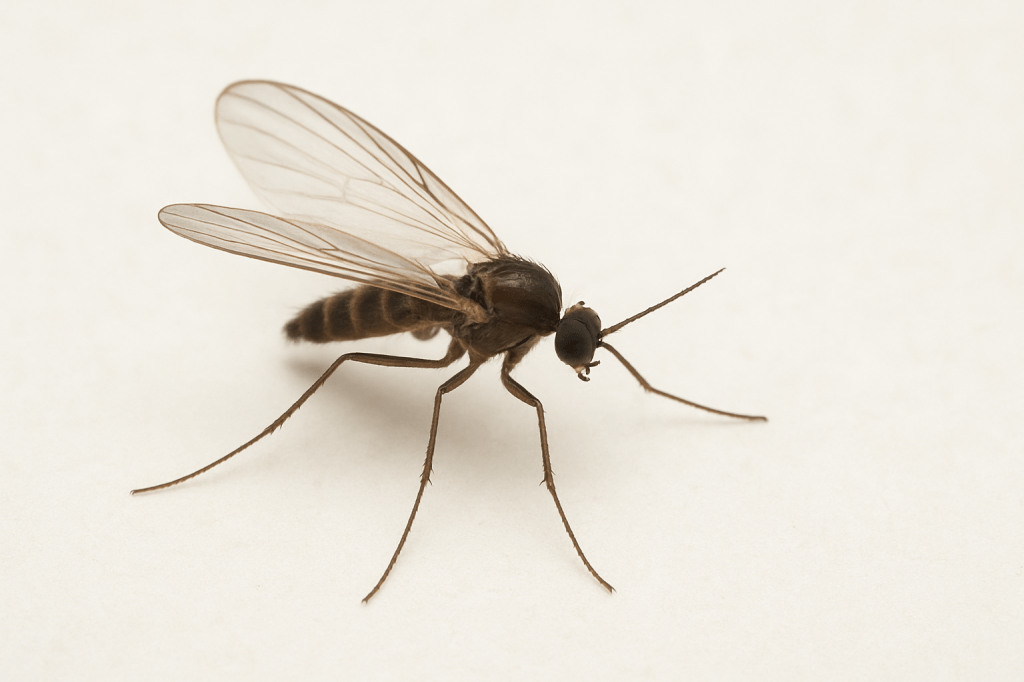
Nothing ruins a peaceful evening at home quite like a swarm of tiny gnats buzzing around your face. If you’re dealing with a gnat invasion, don’t despair – with the right approach, you can eliminate these annoying insects and prevent them from returning.
Understanding Your Enemy: What Are Gnats?
Before diving into elimination strategies, it’s important to understand what you’re dealing with. The term “gnat” actually refers to several different types of small flying insects, including fruit flies, fungus gnats, and drain flies. Each type has slightly different habits and preferred breeding grounds, but they all share a few common characteristics: they’re tiny, they multiply quickly, and they’re incredibly annoying.
Fruit flies are typically drawn to overripe fruits and vegetables, while fungus gnats prefer moist soil in houseplants. Drain flies, as their name suggests, breed in the organic matter that builds up in drains. Identifying which type you’re dealing with can help you target your elimination efforts more effectively.
Quick Fixes: Immediate Relief Strategies
When you need instant results, start with these quick solutions. Create a simple trap using apple cider vinegar in a small bowl, covered with plastic wrap and secured with a rubber band. Poke several small holes in the plastic – gnats will be attracted to the vinegar’s scent but won’t be able to escape.
For fruit flies specifically, remove all overripe fruits and vegetables from countertops and store them in the refrigerator. Clean up any spills or crumbs immediately, as these provide food sources that keep gnats coming back for more.
If you’re dealing with drain flies, pour boiling water down your drains, followed by a mixture of baking soda and vinegar. This combination helps break down the organic buildup where these pests breed.
Targeted Solutions by Gnat Type
For Fruit Flies: Beyond removing food sources, deep clean your kitchen. Check behind appliances, inside garbage disposals, and around recycling bins where sugary residues might lurk. Wipe down surfaces with a mixture of water and white vinegar, which gnats hate. Store fruits in sealed containers or the refrigerator until the infestation is under control.
For Fungus Gnats: These pests love overwatered plants with soggy soil. Allow the top inch of soil in your houseplants to dry out between waterings. You can also sprinkle a thin layer of sand or diatomaceous earth on top of the soil – this creates a barrier that prevents gnats from laying eggs. For severe infestations, consider repotting plants with fresh, sterile potting soil.
For Drain Flies: Regular drain maintenance is key. Use a drain scrubber to scrub away buildup, and consider using enzyme cleaners that break down organic matter more effectively than traditional cleaners. Installing drain covers can also prevent adult flies from accessing breeding sites.
Natural and Chemical Solutions
Many people prefer natural methods for pest control, especially in areas where food is prepared. Essential oils like peppermint, eucalyptus, and lemongrass can act as natural repellents. Mix a few drops with water in a spray bottle and apply around affected areas.
Sticky traps are another effective, non-toxic option. Place yellow sticky cards near problem areas – gnats are naturally attracted to the bright color and will get stuck on the adhesive surface.
For persistent infestations, you might need to consider chemical solutions. Pyrethrin-based sprays are effective against flying gnats, while systemic insecticides can help with soil-dwelling fungus gnat larvae. Always read labels carefully and follow safety instructions, especially around children and pets.
Prevention: Keeping Gnats Away for Good
The best defense against gnats is preventing them from establishing themselves in the first place. Maintain good sanitation practices by cleaning up spills immediately, taking out garbage regularly, and keeping surfaces clean and dry.
For plants, avoid overwatering and ensure proper drainage. Use well-draining potting mixes and consider adding perlite to improve soil drainage. Regularly remove dead leaves and debris from plant surfaces.
Keep drains clean with weekly maintenance, and fix any leaks promptly. Even small amounts of standing water can become breeding grounds for various types of gnats.
When to Call the Professionals
While most gnat problems can be resolved with DIY methods, sometimes professional intervention is necessary. If you’ve tried multiple approaches for several weeks without success, or if the infestation is extensive throughout your home, it might be time to contact a pest control professional.
Conclusion
Getting rid of gnats requires patience and persistence, but with the right combination of elimination and prevention strategies, you can reclaim your space from these tiny invaders. Start with identifying the type of gnat you’re dealing with, implement immediate relief measures, then focus on long-term prevention. Remember, consistency is key – maintain good sanitation practices and address moisture issues promptly to keep gnats from returning. With these strategies in your arsenal, you’ll be well-equipped to win the war against gnats and enjoy a pest-free home.
 The How to Get Rid of Hub