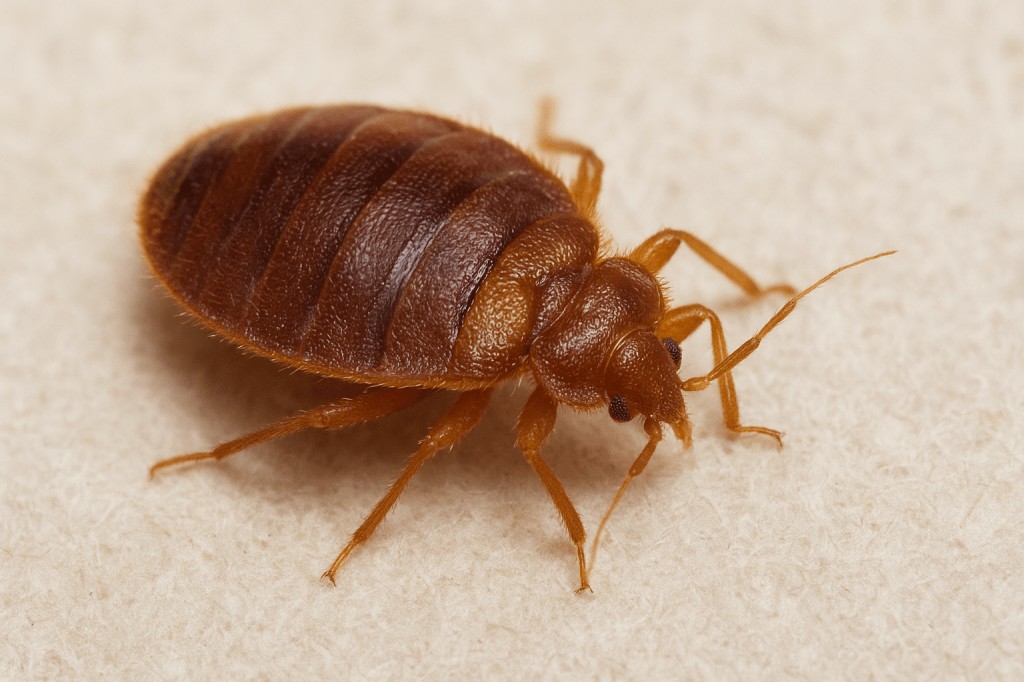
Discovering bed bugs in your home can be a nightmare scenario for any homeowner. These tiny, blood-sucking parasites are notoriously difficult to eliminate, but with the right approach and persistence, you can reclaim your home and get back to peaceful sleep. Understanding how to identify, treat, and prevent bed bug infestations is crucial for anyone dealing with these unwelcome guests.
Identifying the Bed Bug Problem
Before you can effectively treat a bed bug infestation, you need to confirm their presence. Bed bugs are small, oval-shaped insects about the size of an apple seed, with reddish-brown coloring that becomes darker after feeding. They’re most active at night and tend to hide in mattress seams, bed frames, headboards, and nearby furniture during the day.
Look for telltale signs including dark or rust-colored stains on sheets and mattresses, small blood spots on bedding, sweet musty odors in heavily infested rooms, and itchy welts on your skin arranged in lines or clusters. You might also find small, dark spots of bed bug excrement or shed skins in areas where they hide.
Immediate Response Steps
Many people struggle with how to get rid of bed bugs, but acting quickly to prevent the infestation from spreading is the key to success. Start by containing the problem – avoid moving items from infested rooms to clean areas of your home, as this can spread the bugs. Strip all bedding, clothing, and fabric items from the affected area and seal them in plastic bags until they can be treated.
Thoroughly vacuum all surfaces, paying special attention to mattress seams, bed frames, carpets, and upholstery. Use the vacuum’s crevice tool to reach into cracks and corners where bed bugs might be hiding. Immediately dispose of the vacuum bag in a sealed plastic bag, or empty bagless canisters into a sealed container and clean the canister thoroughly.
Heat Treatment Solutions
Heat is one of the most effective weapons against bed bugs, as they cannot survive temperatures above 120°F (49°C). Wash all washable items in hot water at least 120°F and dry them on the highest heat setting for at least 30 minutes. For items that cannot be washed, such as shoes or delicate fabrics, place them in a dryer on high heat for 30 minutes.
For larger items like mattresses and furniture, consider professional heat treatment services. These specialists use specialized equipment to raise room temperatures to levels that kill all life stages of bed bugs, including eggs. While this option is more expensive, it’s often the most thorough and effective solution for severe infestations.
Chemical Treatment Options
Insecticides can be effective when used properly, but bed bugs have developed resistance to many common pesticides. Look for EPA-approved products specifically designed for bed bugs, and always follow label instructions carefully. Pyrethroid-based sprays, diatomaceous earth, and desiccant dusts can be useful components of an integrated treatment approach.
Apply treatments to cracks, crevices, and areas where bed bugs hide, but avoid spraying directly on mattresses or bedding where you sleep. Many effective products require professional application, so consider consulting with a licensed pest control operator who has access to more powerful treatments and the expertise to apply them safely.
Professional Intervention
While DIY methods can be successful for minor infestations, severe problems often require professional intervention. Licensed pest control professionals have access to more effective treatments, including commercial-grade heat equipment, specialized insecticides, and fumigation options. They also have the experience to identify all hiding spots and develop comprehensive treatment plans.
When choosing a pest control company, look for operators licensed in your state with specific experience treating bed bugs. Get multiple quotes, ask about their treatment methods and success rates, and inquire about follow-up services and guarantees.
Prevention and Long-term Management
After eliminating the immediate infestation, focus on preventing future problems. Use protective mattress and box spring encasements designed to trap any remaining bed bugs and prevent new infestations. These zippered covers should be left in place for at least a year to ensure any trapped bugs die.
Regularly inspect your sleeping areas, especially after travel or when bringing used furniture into your home. When traveling, inspect hotel rooms before settling in, keep luggage in the bathroom while checking, and wash all clothing in hot water immediately upon returning home.
Patience and Persistence
Eliminating bed bugs typically requires multiple treatments over several weeks or months. Eggs can take up to two weeks to hatch, and newly emerged bugs need time to come into contact with treatments. Don’t be discouraged if you continue seeing bugs for several weeks after treatment begins – this is normal and doesn’t necessarily mean your efforts aren’t working.
Successfully eliminating bed bugs requires a combination of thorough cleaning, appropriate treatments, professional help when needed, and ongoing vigilance. While the process can be challenging and time-consuming, persistence and the right approach will eventually restore your home to a bed bug-free environment.
 The How to Get Rid of Hub
Leave a comment